
Long Range Mesh Network For Solar Tracking

Ultra-reliable, scalable, and long range wireless communication for utility-scale solar tracking systems
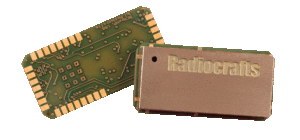
Radiocrafts’ long range Sub-GHz mesh solution, RIIM enables robust and cost-efficient wireless communication for solar trackers, reducing cabling, simplifying deployments, and ensuring reliable operation, even in the harshest environments.
Enable ultra-reliable, real-time control of thousands of solar trackers.

99.99%+ Reliable Data Transmissions
Built for continuous and dependable operation across large solar installations

Scalable
Connect more trackers without adding communication complexity or sacrificing on reliability

Long Range Sub-GHz (868 / 915 MHz)
Reach trackers across vast solar sites without extensive infrastructure (40 x 40 km² coverage)

Low Latency
Real-time control and fast responses to move trackers into safe position during extreme weather conditions (within 1 second)

High Data Throughput
Keep tracker commands and operational data flowing efficiently across the solar installation

Flexible Deployment
Easily adapt your communication network as your solar installation scales or changes
One Technology. Complete Solar Tracking Network.
RIIM wirelessly connects all critical components in your solar installation, enabling reliable real-time control, monitoring and diagnostics at scale.
Solar trackers
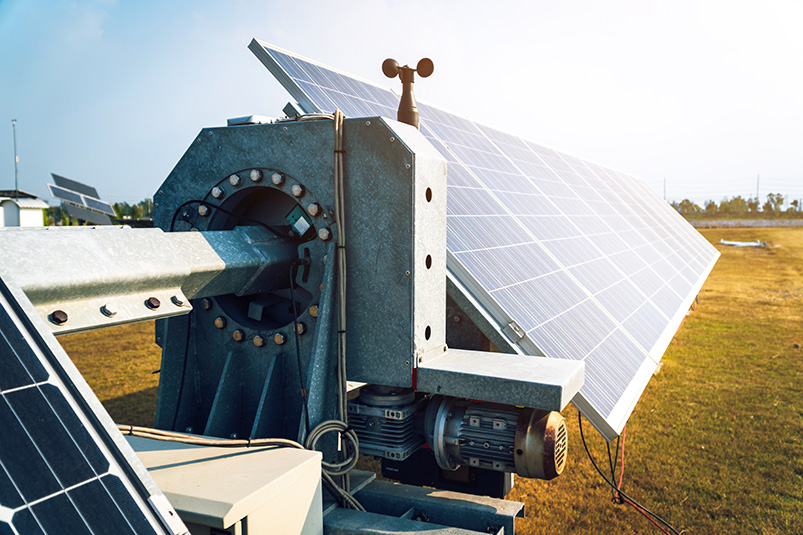
Inverters
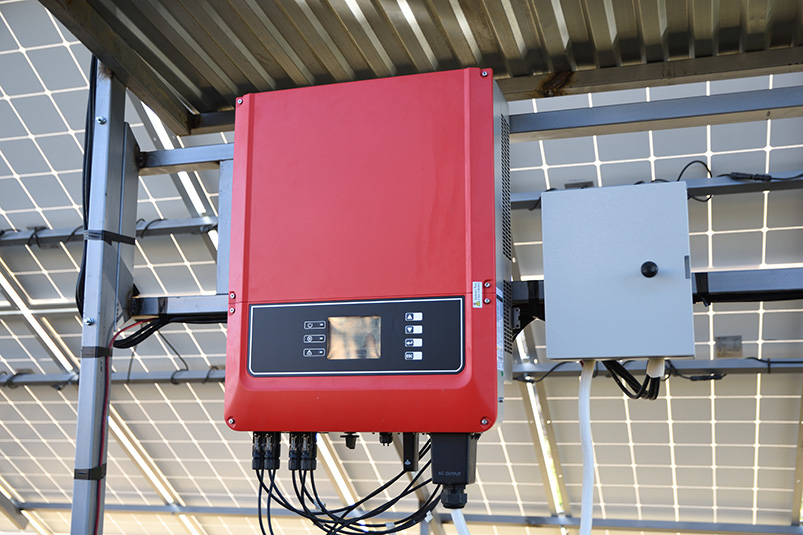
Weather stations
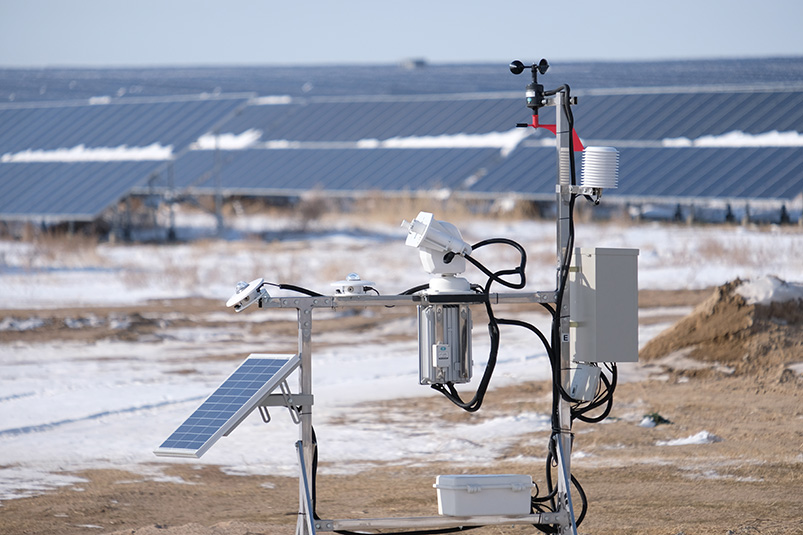
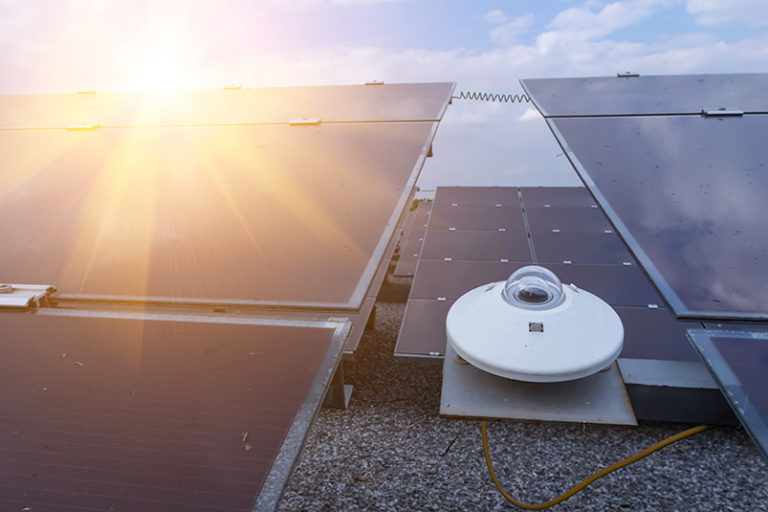
Pyranometers
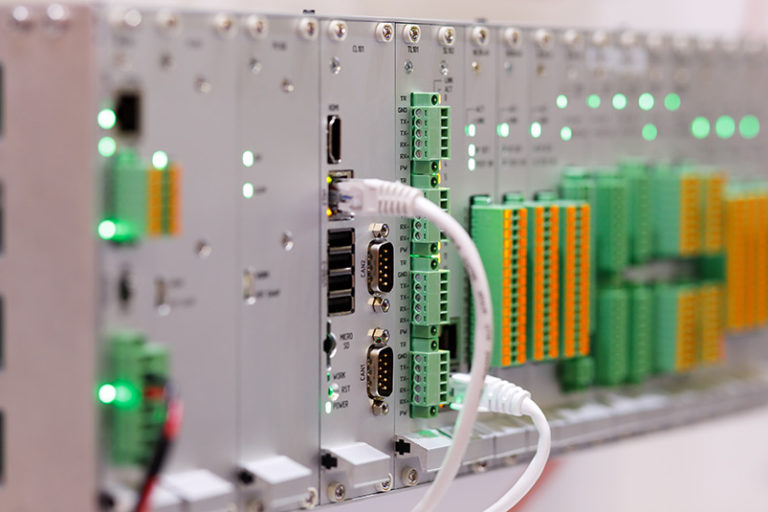
Solar SCADA systems
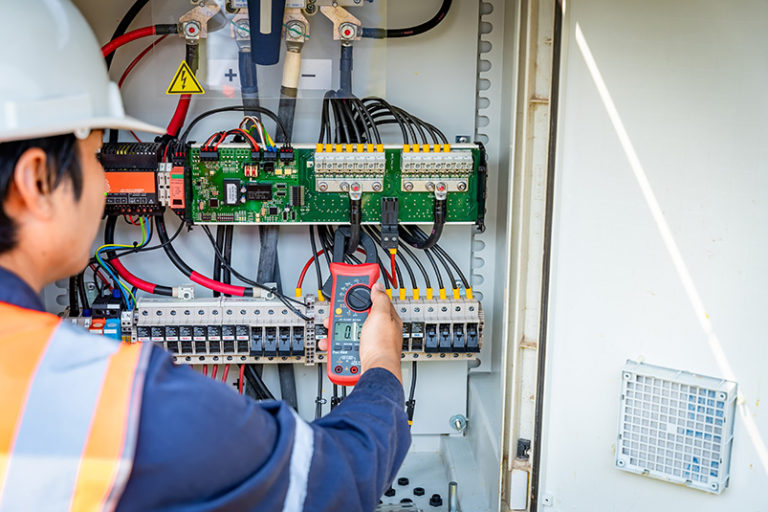
DC Combiners
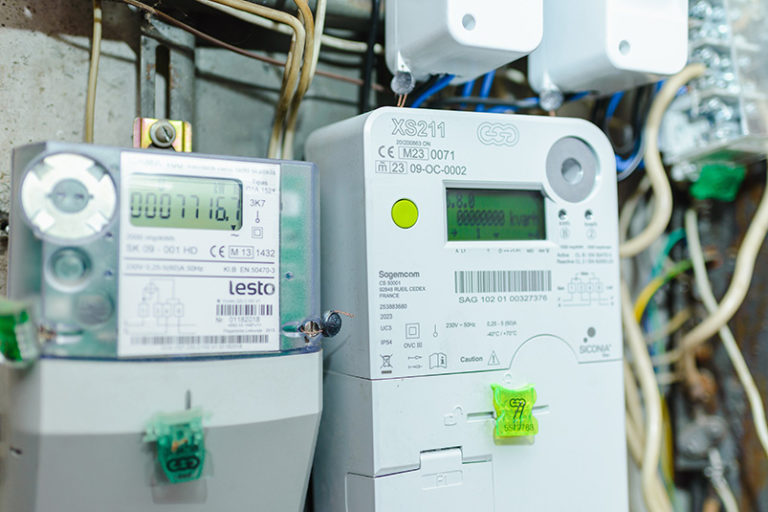
Electricity meters
Energy storage solutions
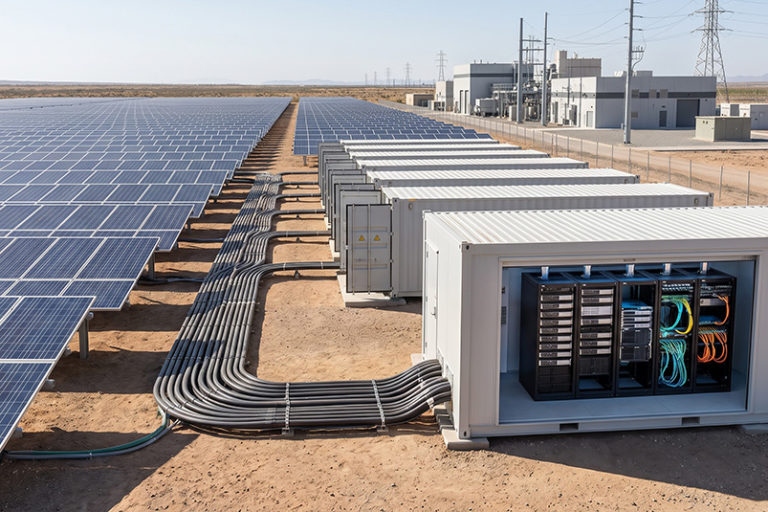
Soil monitoring systems
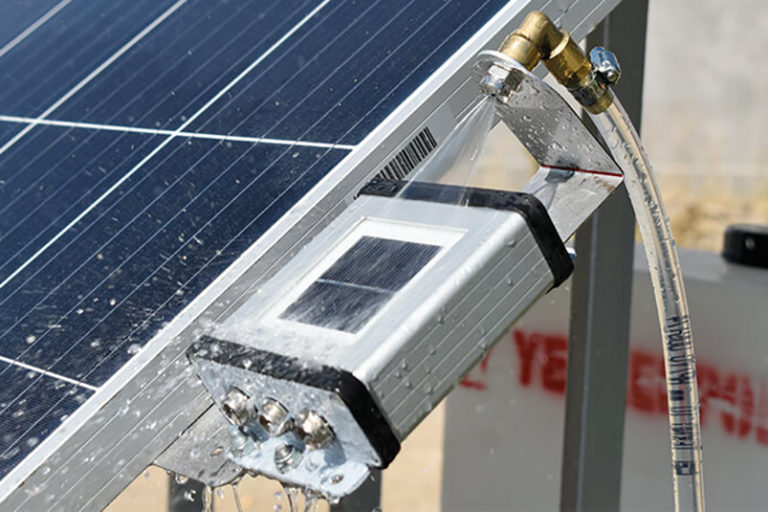
Find The Right RIIM Module
Module Family | Positioning | Best Suited For |
RC1882CEF-IPM | Global RIIM Module (14 dBm output power) | Solar tracking systems where lower transmit power is sufficient and global frequency flexibility is important. Supports 868/915 MHz operation, 14 dBm output power, and up to 5 km line-of-sight range. |
RC1882HPCF-IPM | High-power RIIM for 868 MHz markets | Large-scale solar installations in Europe, India, and other applicable 865 and 868 MHz markets where extended range and robust site-wide connectivity are priorities. Provides up to 27 dBm output power and 20 km indicative line-of-sight range. |
RC1892HPCF-IPM | High-power RIIM for 915 MHz markets | Large-scale solar installations in the US and other applicable 915 MHz markets requiring high output power and long-range tracker connectivity. Provides up to 27 dBm output power and 20 km indicative line-of-sight range. |
How RIIM Works In Solar Tracking Systems
RIIM creates a robust mesh network between solar trackers, inverters, weather sensors, and a central plant controller.
Data is transmitted reliably over long distances, ensuring real-time control and monitoring even in large installations and challenging environments.
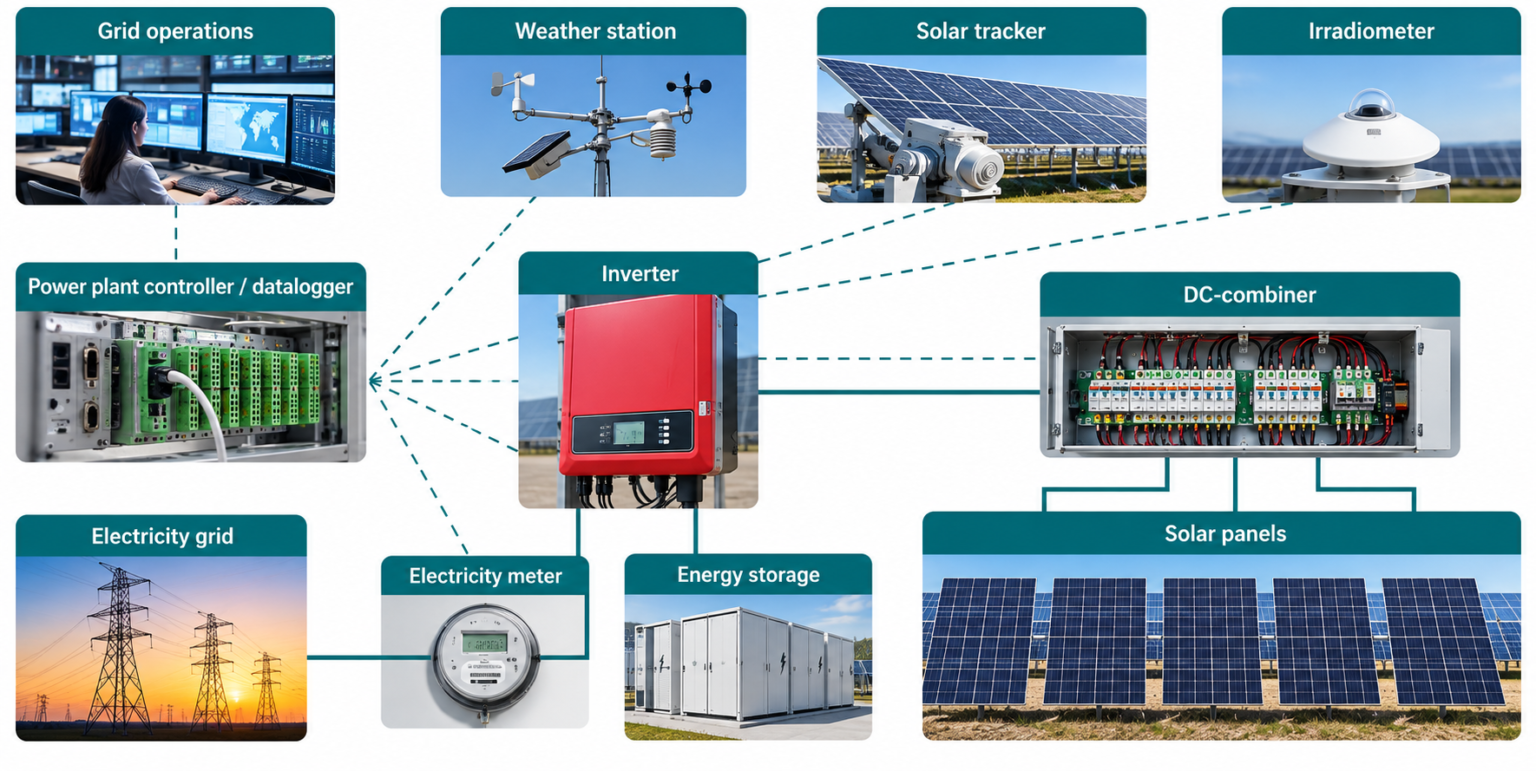

RIIM technology overview
Learn more about the RIIM features which are optimized for Solar Tracking installations

RIIM vs Wi-SUN vs LoRa vs Zigbee
Learn more about how RIIM compares to other mesh technologies also used in the Solar Tracking market

RIIM, a truly global solution
Learn more about how Radiocrafts has specifically designed RIIM to be a global solution which can operate in almost every country in the world
Ready to Add Wireless Wireless Communication To Your Solar Installation?
Talk to our experts about how RIIM can simplify your Solar Tracking installation, reduce cabling costs, and ensure long-term reliable operation.


RIIM For Solar Tracking FAQ
What is RIIM and how is it used in solar tracking systems?
RIIM (Radiocrafts Industrial IP Mesh) is a long-range Sub-GHz mesh network designed for industrial IoT applications.
In solar tracking systems, RIIM can provide wireless communication between tracker controllers and the central control system, enabling commands, monitoring data and operational information to be exchanged across the solar field without extensive communication cabling.
How many solar trackers can be connected to one RIIM network?
A single RIIM network can efficiently support up to 700 solar trackers.
Actual network design and traffic requirements should be considered when determining the appropriate number of trackers per network.
How large a solar installation can RIIM cover?
RIIM is designed for large, utility-scale deployments.
Radiocrafts’ Technology Selections Guide For Solar Tracking describes RIIM networks covering solar fields of up to 40 × 40 km squared with a single gateway, with multiple RIIM networks able to operate alongside each other when even larger installations need to be covered.
Actual radio range depends on factors including terrain, antenna placement, interference and network topology.
Why is Sub-GHz communication beneficial for solar tracking?
Sub-GHz radios can provide longer range and better object penetration characteristics than higher-frequency alternatives in many outdoor environments.
This is particularly useful in solar installations, where trackers, metal structures, terrain and other obstacles can create challenging radio conditions.
Radiocrafts’ field tests have noted better penetration around tracker structures and reduced effects from panel reflections compared with 2.4 GHz solutions.
What happens if the direct wireless connection between two solar trackers is blocked?
RIIM uses a mesh network architecture in which devices can communicate by transferring the data from one tracker to another until it reaches the gateway rather than depending exclusively on a direct connection to the gateway.
This allows the network topology to use alternative communication paths when appropriate, helping provide robust connectivity across large and challenging installations.
If the connection with one tracker is lost, the network automatically finds an alternate path through another tracker to send data. This allows time to troubleshoot the issue while not losing data collection efficiency.
Is RIIM suitable for solar farms with uneven terrain or non-line-of-sight conditions?
Yes.
RIIM’s combination of Sub-GHz communication and mesh networking makes it particularly suited to installations where terrain, tracker structures or other obstacles can prevent every device from having a direct line of sight to the gateway.
Radiocrafts has also tested RIIM in large-scale solar tracker installations under non-line-of-sight and uneven-terrain conditions. Watch our YouTube video on these tests.
Does RIIM provide low enough latency for solar tracker control?
RIIM is designed to support low-latency industrial communication, although actual latency depends on network configuration, number of hops, packet loss and traffic.
In RIIM’s single-channel CSMA mode, we document approximately 40 ms latency per hop as a general figure.
RIIM can also be configured differently depending on whether an application prioritizes latency, throughput or other network characteristics.
Can RIIM respond quickly to high-wind events in a solar tracking installation?
RIIM’s low-latency communication can be used to rapidly distribute information and commands across tracker networks.
In a Radiocrafts wind-sensor demonstration, RIIM was used to move panels toward a safe/stow position within approximately one second after detecting strong wind. Check out the demonstration in this YouTube video.
Actual system response will also depend on the tracker controller, network design and mechanical system.
Can RIIM handle both control commands and monitoring data?
Yes.
RIIM supports bidirectional IP-based communication and can be configured according to the traffic requirements of the application. This allows a solar tracking network to exchange tracker commands, status information, sensor information, configuration data and other operational data.
Network traffic should be planned appropriately for very large deployments because available RF capacity is shared between devices.
How reliable is RIIM for large solar tracking installations?
RIIM has a 99.99% or higher wireless communication delivery rate. Mesh networking, Sub-GHz propagation, automatic retransmission and channel hopping mechanisms, are used to support reliable communication across industrial networks.
Can several RIIM networks operate within the same solar plant?
Yes.
Large installations can be divided into multiple RIIM networks. RIIM networks can be deployed alongside each other to cover enormous solar installations which operate beyond the area practical for a single network.
This allows very large sites to be divided into manageable network segments.
In addition, RIIM networks do not interfere with another since every node has a PAN ID and are therefore pre-configured to join a certain network. The data traffic from one network will not interfere with the data traffic of another network, allowing for reliable and highly scalable networks.